Lomyna Journal
The Architecture of Touch: Essential Textile Sensory Comfort

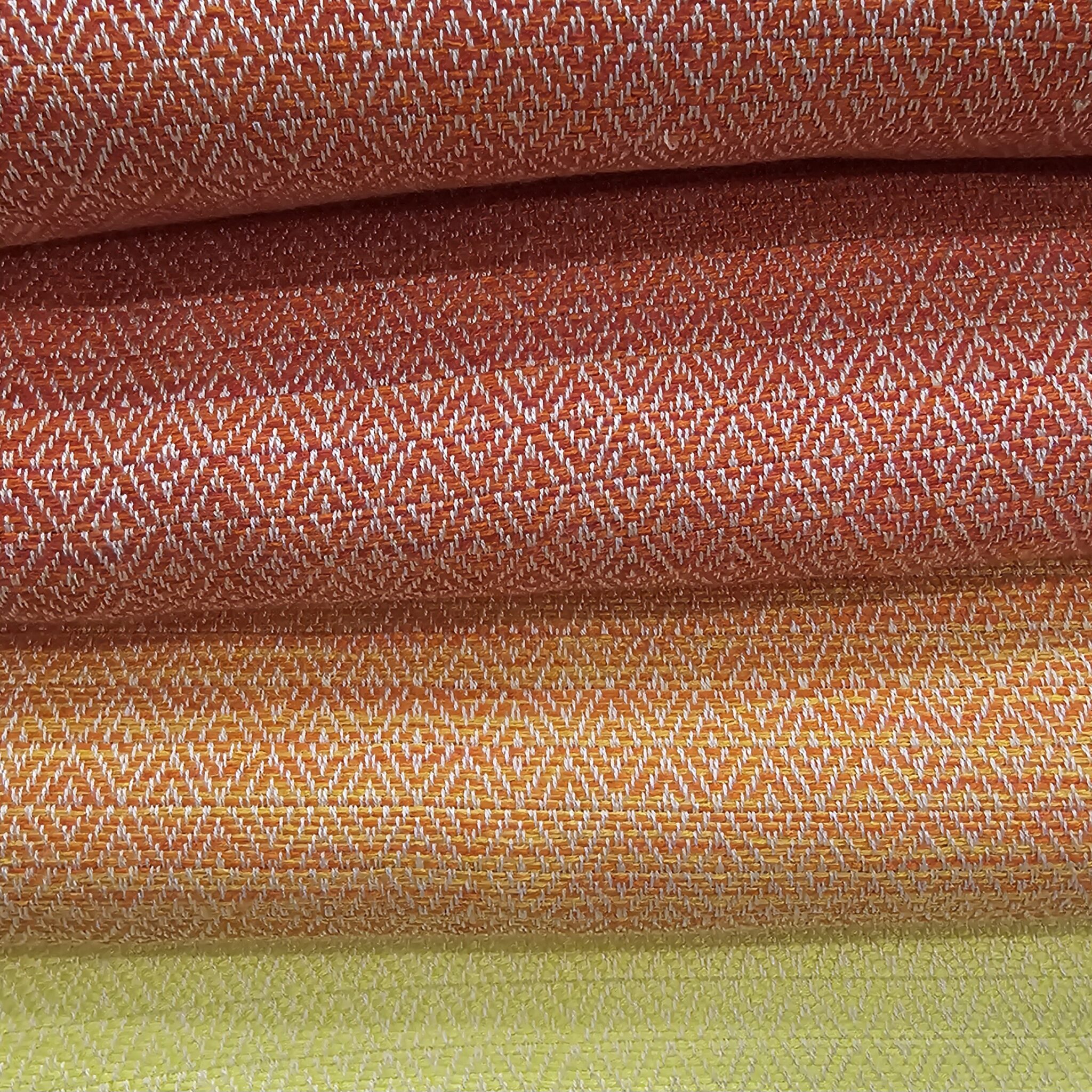
The intricate weave of natural fibers, creating a balanced sensory interface
The human skin is our most expansive sensory organ, acting as a continuous, dynamic interface between the self and the environment. In the context of travel and daily life, the textiles we choose are not merely passive coverings; they are an architecture of touch that actively regulates our physiological state. Understanding the intricate interaction between material structure and tactile perception is fundamental to cultivating genuine comfort in a sensory-rich world.
The Sensory Interface of Textiles
At the microscopic level, every fabric communicates with the skin through a complex array of pressure, friction, and thermal exchange. Research in sensory neurobiology suggests that specific tactile inputs can influence the autonomic nervous system, triggering states of relaxation or alertness.
“The texture, weight, and surface character of a textile can shape the sensory experience of wearing it; many people are drawn to the distinctive feel of artisanal, hand-woven cottons.”
. By minimizing the “noise” or irritation that irregular synthetic fibers may introduce, these materials allow the skin to remain in a state of calm. This consistent sensory input is vital for long-haul travel, where the body is already subjected to environmental stressors.
“This consistent sensory input, which defines the architecture of touch, relies on artisanal weaving comfort to elevate your sensory textile experience.”
Micro-Climate Regulation and Physiological Well-being
The concept of “comfort” is intrinsically linked to the micro-climate maintained between the skin surface and the fabric. High-quality natural fibers, can support moisture vapor transfer and everyday thermal comfort, depending on fiber type, yarn construction, weave, finish, and conditions of use. Unlike industrial-grade synthetic alternatives, which often create a barrier that traps sweat and heat, artisanal weaves allow for a dynamic exchange. This regulates the body’s thermal equilibrium, maintaining a stable temperature even in fluctuating environmental conditions. By harmonizing with the body’s natural cooling mechanisms, these textiles prevent the sensory overload that often leads to fatigue during global journeys.
“Understanding this natural fiber physiology is essential for mastering the architecture of touch, as proven by advanced research on moisture management in textiles that highlights how sensory textile experience directly impacts physical well-being.”
The Science of Structural Integrity
The longevity of a sensory experience is determined by the integrity of the weave. In artisanal weaving, the tension applied to the fibers is modulated by human touch, ensuring that the structural integrity of the material is preserved. This results in a fabric that does not just “clothe” but “breathes” in sympathy with the wearer. Unlike mass-produced items where tension is inconsistent, the handcrafted nature of Lomyna textiles ensures that the “hand” (the feel of the fabric) remains soft yet durable over time. This reduces friction-related skin stress and ensures that the material remains a reliable companion throughout your travels.
Enhancing Daily Rituals
By prioritizing the architecture of touch in your essentials, you elevate your daily rituals from mundane tasks to immersive sensory practices. Whether it is the weight of a hand-woven towel after a long flight or the texture of a high-quality weave against your skin during a quiet evening, these choices influence your mood and physical recovery. We believe that true luxury is not found in ornamentation, but in the intentional curation of the items that touch us most intimately.
“By consciously selecting these natural fiber physiology-aligned pieces, you allow the architecture of touch to transform your daily rituals into a refined sensory textile experience.”
Investing in Conscious Craft
When you invest in textiles that respect the anatomy of the skin, you are making a commitment to both personal well-being and global craftsmanship. The process of weaving, when done with care, preserves the properties of natural fibers that modern technology often degrades. By choosing artisanal, you are selecting a product that is not only functional but also emotionally resonant, providing a sense of groundedness amidst the chaos of travel.
For further insights into the interaction between material science and skin perception, refer to the Journal of Textile Engineering and Fashion Technology and research on tactile perception in human-environment interaction.
Written by Lomyna Journal An editorial space exploring natural textiles, craft, considered travel, and everyday rituals. Read the Lomyna Story